


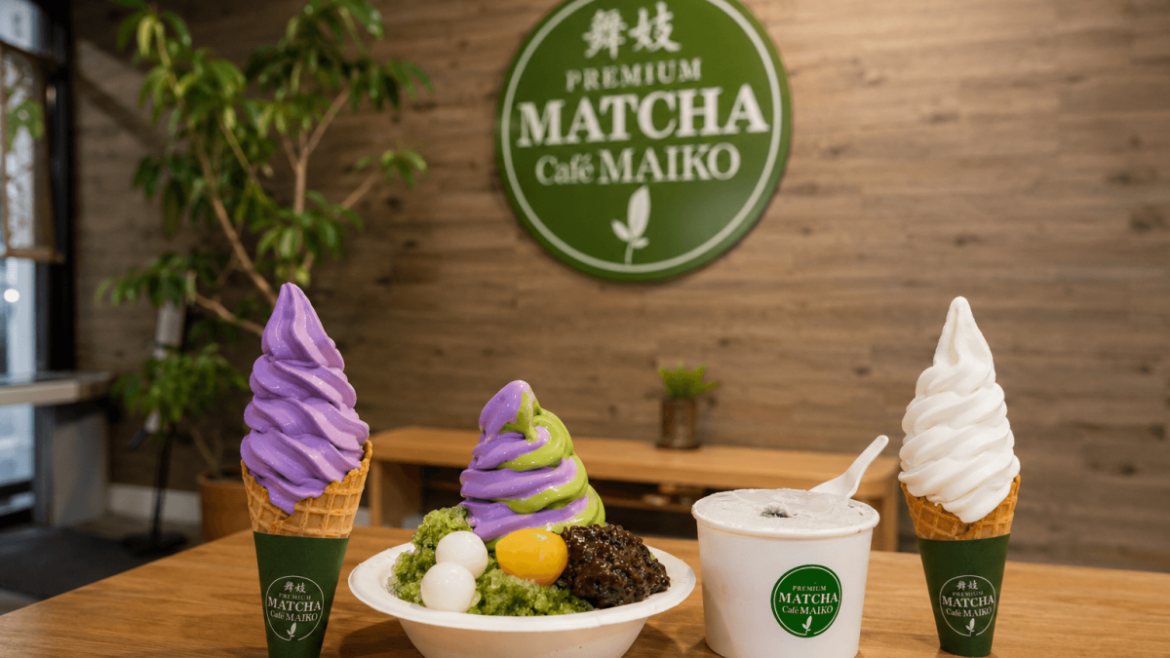
San Diego’s food and beverage scene has always reflected the city’s relaxed energy and appetite for fresh experiences. Coffee remains a familiar part of local life, but matcha has claimed a noticeable place beside it. Its vibrant color, earthy flavor, and flexible preparation have helped it move from specialty tea counters to cafés throughout the city.
The rise of San Diego matcha culture is about more than a fashionable green drink. Matcha now appears in traditional preparations, iced beverages, fruit combinations, soft serve, pastries, and creative desserts. Some customers appreciate its grassy character and rich umami taste. Others enjoy the ritual of watching the powder sifted, whisked, and carefully poured.
For LGNDRY Group, local food and beverage movements provide another perspective on how San Diegans gather and experience the city. Matcha cafés have become daytime destinations where friends meet, visitors explore new flavors, and tea enthusiasts compare preparation methods. This growing interest has also created stronger competition among businesses hoping to offer the city’s most memorable cup.
San Diego’s Expanding Matcha Community
The growth of matcha cafes San Diego residents can visit has given customers more choices than a standard hot or iced drink. Traditional Japanese tea businesses may emphasize origin, technique, and the natural flavor of the powder. Modern cafés often experiment with flavored foams, fruit purées, plant-based milk, and striking presentations.
This variety creates a competitive environment, although it does not need to become a formal contest between businesses. Each café has a different way of earning attention. One may focus on the quality and traceability of its tea. Another may create colorful seasonal combinations. Other locations distinguish themselves through desserts, interior design, attentive service, or careful preparation.
Social media has also influenced this competition. The bright green shade of a well-prepared matcha latte photographs beautifully, especially when paired with layered milk, strawberry, or another contrasting ingredient. Attractive drinks can introduce a café to thousands of potential visitors. However, appearance alone cannot sustain customer interest. Flavor, consistency, hospitality, and ingredient quality still determine whether people return.
San Diego’s neighborhoods give the movement additional variety. Coastal communities, busy urban districts, and Asian dining destinations all approach café culture differently. The Convoy District is particularly important because of its strong concentration of Asian restaurants, dessert businesses, markets, and specialty beverage shops. Visitors can encounter traditional influences alongside modern interpretations without traveling far between destinations.
This combination of tradition and experimentation reflects the broader personality of San Diego culture. Residents appreciate craftsmanship, but they are also open to new ingredients and unexpected flavor combinations. Consequently, matcha can remain connected to Japanese tea practices while finding a distinct place within the city’s contemporary café scene.
Ceremonial Matcha and Hojicha Traditions
Matcha is a finely ground form of Japanese green tea made from tencha leaves. Before harvest, the tea plants are shaded, which affects their color and flavor. After harvesting and processing, the leaves are ground into a fine powder. Because the powder is whisked directly into water, the drinker consumes the suspended tea leaf rather than an infusion that is later removed.
Cafés and tea sellers frequently use the label ceremonial grade matcha for products intended to be whisked with water and enjoyed with minimal added ingredients. These matchas are often associated with a bright green appearance, fine texture, pronounced umami, and restrained bitterness.
However, ceremonial grade is not a legally standardized classification. The term does not guarantee a particular harvest, region, or production method across every seller. Quality can differ between brands. Origin, freshness, aroma, texture, flavor, and the reputation of the producer provide more useful information than the label alone.
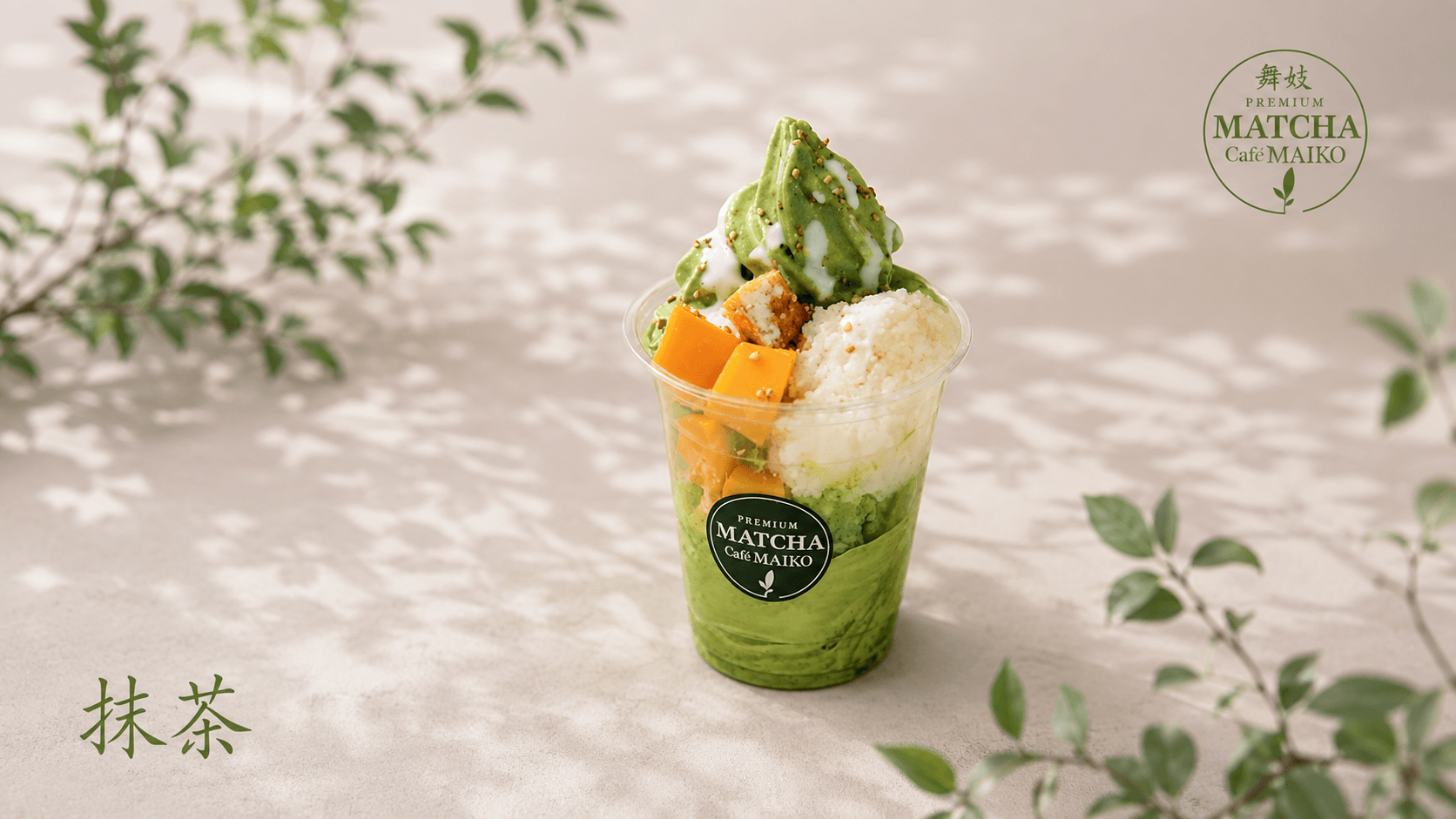
Matcha Cafe Maiko offers a strong local example of how Japanese tea flavors have entered San Diego’s dessert and beverage scene. Its official website lists a San Diego location on Clairemont Mesa Boulevard and describes its offerings as drinks and sweets made with Japanese matcha. Its menu format also demonstrates how matcha can move between traditional tea, modern beverages, parfaits, and soft serve.
Another tea gaining attention is hojicha. Although the client’s original idea described it as a different type of matcha, the two are separate Japanese teas. Matcha remains green because its leaves are not roasted before grinding. Hojicha is made by roasting green tea leaves, stems, or a combination of the two. It may be sold as loose tea or ground into powder for drinks and desserts.
Roasting gives hojicha its brown color and warm aroma. Its flavor can include toasted, nutty, woody, or caramel-like notes. These qualities make it noticeably different from matcha’s vegetal and umami-rich profile. Hojicha also generally contains less caffeine than matcha, although the amount varies according to the tea, serving size, and preparation.
The contrast gives San Diego cafés another opportunity for creativity. Customers who find matcha too grassy may prefer a smooth hojicha latte. Meanwhile, dedicated matcha drinkers can explore both teas without treating one as a replacement for the other. Each provides a separate expression of Japanese tea culture.
Local Flavor and Memorable San Diego Experiences
San Diego’s matcha movement demonstrates how a traditional ingredient can find new life within a modern city. Careful preparation preserves the character of the tea, while creative cafés make it approachable through lattes, desserts, and seasonal combinations. Healthy competition encourages businesses to improve ingredient sourcing, presentation, atmosphere, and service.
The city’s expanding interest in hojicha may also deepen the conversation. As customers learn the differences between steamed, shaded, ground, and roasted teas, they can order according to flavor rather than color or online popularity. That knowledge benefits traditional tea specialists and experimental cafés alike.
Exploring local beverages can become part of a broader day or evening in the city. Visitors might begin with pure whisked matcha, compare it with a creamy hojicha latte, and then continue discovering the dining and entertainment experiences surrounding the neighborhood.
For information about upcoming San Diego events and memorable local experiences, connect with LGNDRY Group. Contact us to discover more ways to enjoy the energy, flavors, and social atmosphere that make San Diego distinctive.
STAY IN THE KNOW WITH LGNDRY
Enter Your email and be the first to know about events!